
International Women’s Day is an opportunity to pause and reflect on the people who shape the industries we rely on every day. Within hospitality, women play an essential role at every level, from front of house to kitchens, leadership, operations, and creative direction. Their contribution helps define not only how restaurants function, but how they feel to the people who walk through the door.
Hospitality is built on care, attention, and human connection. These qualities are often invisible, yet they sit at the heart of every meaningful dining experience. On International Women’s Day, it is important to recognise the women who bring warmth, organisation, resilience, and creativity to an industry that depends so heavily on people.
This article takes a broad look at the role of women in hospitality, why their contribution matters, and how the industry continues to evolve through their presence, influence, and professionalism.
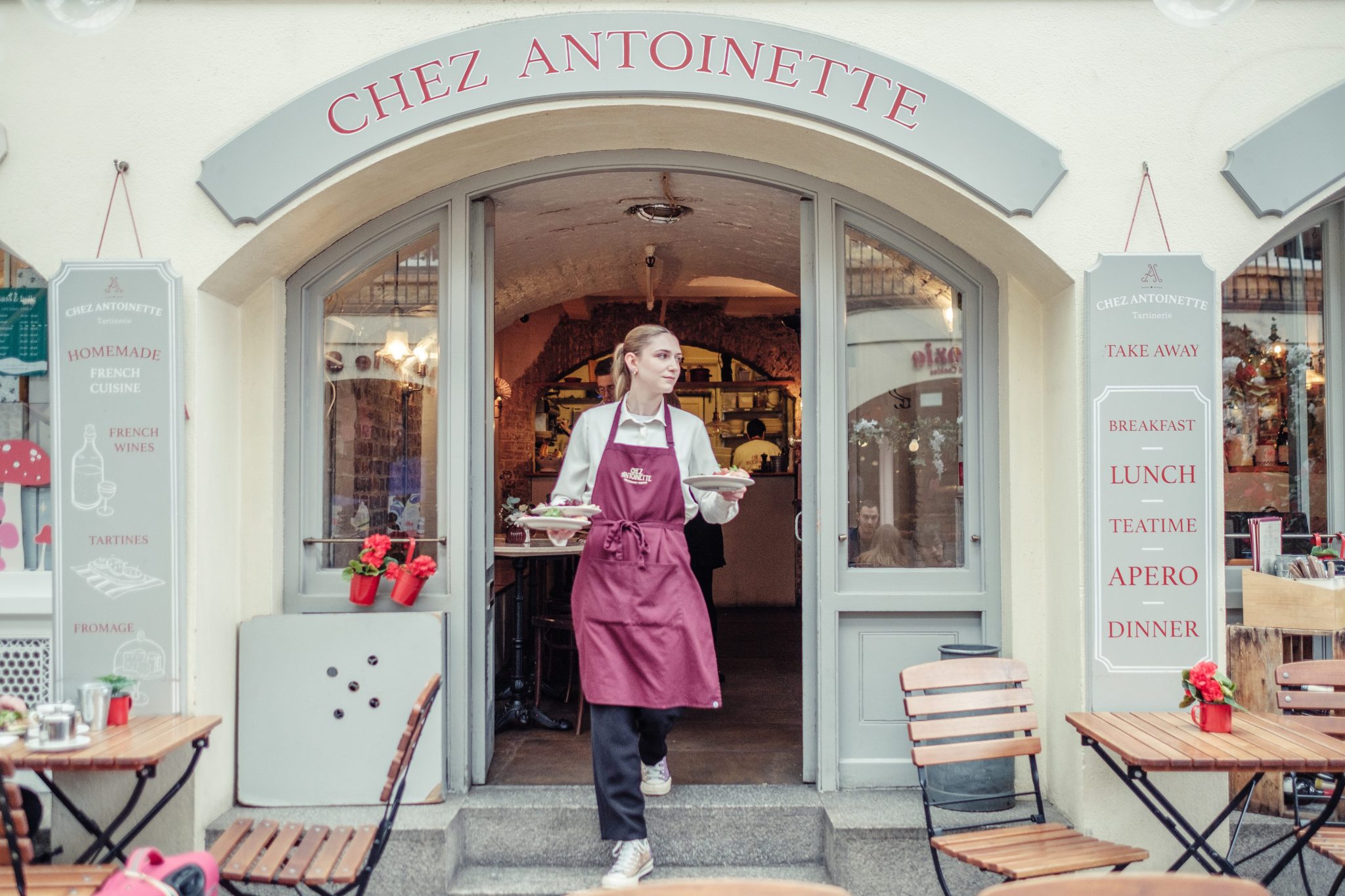
Why International Women’s Day Matters to the Hospitality Industry
Hospitality is one of the most people-centred industries in the world. Restaurants, cafés, and hotels succeed not simply because of food or location, but because of the individuals who create welcoming environments and consistent experiences for guests.
International Women’s Day matters in hospitality because women have long been central to this work. They contribute across service, management, training, logistics, and creative roles, often balancing demanding hours with emotional labour that goes unseen. Recognising this contribution helps bring visibility to the people who sustain the industry day after day.
The hospitality sector also reflects wider societal shifts. Conversations around inclusion, respect, and opportunity increasingly shape how businesses think about leadership and workplace culture. International Women’s Day provides a moment to acknowledge progress, while also recognising that hospitality continues to learn and adapt.
The Many Roles Women Hold in Hospitality
Women in hospitality are not defined by a single role. Their presence spans every aspect of the industry, from the first point of guest contact to behind-the-scenes organisation that keeps operations running smoothly.
In front of the house, women often shape a guest’s first impression. Through service, communication, and attentiveness, they help establish the tone of a dining experience. In kitchens and creative spaces, women contribute to menu development, consistency, and culinary identity, often blending tradition with innovation.
Beyond visible roles, women are central to administration, training, scheduling, and coordination. These responsibilities are essential to maintaining quality and reliability, yet they are rarely noticed by guests. International Women’s Day encourages appreciation for both visible and unseen contributions that allow hospitality businesses to function effectively.
Hospitality as a Career, Skill, and Craft
Hospitality is sometimes misunderstood as temporary or informal work, yet it demands a wide range of skills. Communication, emotional intelligence, organisation, and adaptability are all essential. Women working in hospitality demonstrate these skills daily, often under pressure and within fast-paced environments.
For many, hospitality is a long-term career built on experience and craft. Skills are refined over time, from understanding guest expectations to managing teams and complex operations. International Women’s Day highlights the professionalism behind this work and the dedication required to deliver consistent, high-quality experiences.
Recognising hospitality as a skilled profession helps elevate the conversation around respect and value within the industry. It also encourages a more accurate understanding of the commitment required to work in service-led environments.
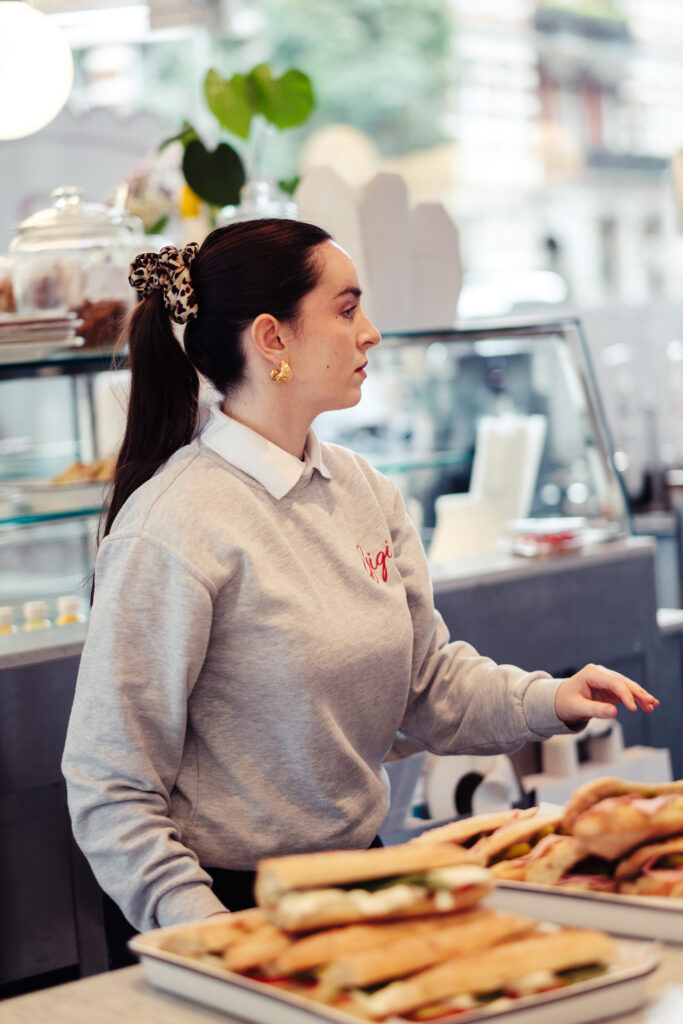
Creating Welcoming Spaces Through People
At its core, hospitality is about how people are made to feel. A welcoming space is rarely defined by décor alone. It is shaped by tone, attentiveness, and the way guests are acknowledged and cared for.
Women often play a key role in creating these environments. Through empathy, awareness, and communication, they help foster spaces where guests feel comfortable and relaxed. This human element is what transforms a meal into an experience and encourages people to return.
Restaurants that value these qualities tend to focus on consistency and culture rather than trends. By prioritising people, hospitality businesses can create environments that feel genuine and enduring. You can explore how Chez Antoinette approaches hospitality and atmosphere on the Our Story page.
Progress and Ongoing Conversations in Hospitality
The hospitality industry continues to evolve. Conversations around fairness, opportunity, and workplace culture are increasingly visible, reflecting broader changes across society. International Women’s Day supports these discussions by creating space for reflection rather than declaration.
Progress in hospitality is often incremental. It is shaped by everyday decisions, leadership styles, and the way teams are supported. Recognising women’s contribution is part of a wider effort to create respectful, sustainable working environments across the industry.
By acknowledging these conversations, hospitality businesses demonstrate awareness and responsibility without overstating their role. Thoughtful recognition allows space for listening, learning, and continued improvement.
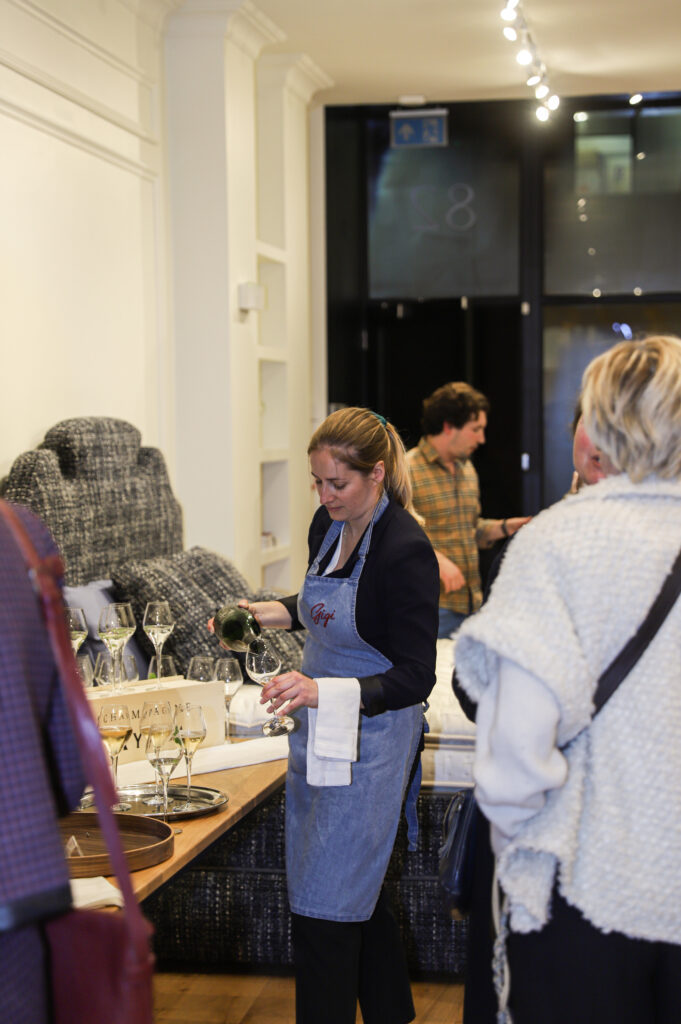
International Women’s Day as a Moment of Reflection
International Women’s Day is not only about celebration. It is also a moment to reflect on the values that underpin service industries like hospitality. Care, patience, resilience, and collaboration are qualities that sustain both teams and guest experiences.
Taking time to recognise the people behind the scenes helps reinforce the human side of hospitality. It reminds guests that every meal is supported by individuals whose work extends far beyond what is visible at the table.
For those interested in how hospitality businesses create welcoming environments year-round, you can explore more about dining experiences and seasonal moments on the Chez Antoinette blog page.
Recognising Women in Hospitality, Today and Every Day
While International Women’s Day provides a focal point, recognition should extend beyond a single date. Hospitality relies on ongoing commitment, consistency, and care, qualities that are demonstrated daily by women across the industry.
Acknowledging this contribution helps build a more thoughtful relationship between guests and the places they choose to dine. It encourages appreciation not only for food, but for the people and effort behind each experience.
If you are planning a visit and would like to experience this approach to hospitality first hand, you can book a table at Chez Antoinette and enjoy relaxed French dining in central London.