
The way we think about lunch today feels fixed. A midday pause, a quick bite, or perhaps a more relaxed meal when time allows. Yet the reality is far more fluid. The concept of lunch, and the spaces we associate with it, have evolved over centuries.
Understanding the history of the bistro reveals something deeper than dining trends. It tells the story of how everyday eating became social, cultural, and even meaningful. From practical worker meals to the rise of neighbourhood cafés, lunch gradually transformed into an experience rather than a necessity.
This article explores the history of lunch, the origins of the French bistro, and why these traditions continue to influence how we dine today.
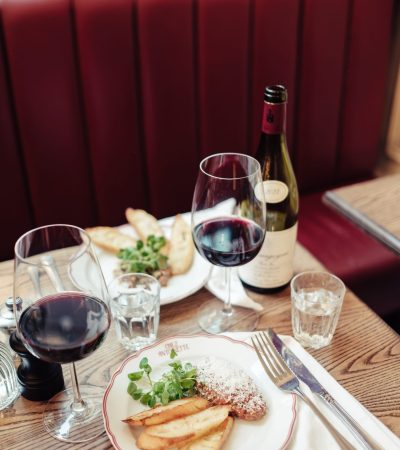
What Did Lunch Look Like Before It Existed?
It may seem surprising, but for much of European history, lunch did not exist as we know it.
In medieval Europe, daily eating patterns were structured around two main meals:
- A late morning meal, often referred to as dinner
- A lighter evening meal, known as supper
There was no need for a separate midday break. Life was less structured around rigid working hours, and meals followed daylight and labour patterns rather than fixed schedules.
The history of lunch begins when this rhythm starts to change. As cities expanded and daily routines became more defined, people needed a way to eat between longer working periods. This shift laid the foundation for what would eventually become lunch.
How Did the Industrial Revolution Shape Modern Dining?
The Industrial Revolution marked a turning point in the evolution of dining culture.
With the rise of factories and urban working life came:
• Fixed working hours
• Shorter breaks
• A need for quick, accessible meals
Workers could no longer rely on long, home-based meals. Instead, they required food that was:
• Affordable
• Convenient
• Available close to work
This period introduced a new kind of dining environment. Informal, efficient, and designed for everyday use.
This is where the story begins to overlap with the rise of the bistro.
What Is a French Bistro and Where Did It Come From?
To understand the history of the bistro, we need to look at Paris in the 19th century.
A French bistro is traditionally:
- A small, informal restaurant
- Serving simple, hearty dishes
- Designed for everyday dining
But its origins are tied to a specific moment in history.
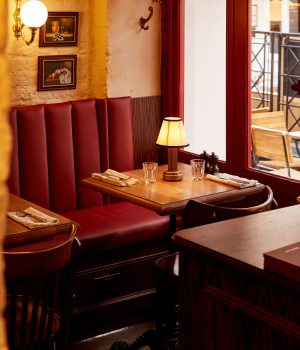
The Meaning Behind the Word “Bistro”
One of the most widely accepted theories comes from the Russian occupation of Paris in the early 1800s.
Russian soldiers are said to have demanded food quickly, shouting:
“Bystro”, meaning “quickly”
Over time, this word became associated with establishments that served food efficiently and without ceremony.
While some historians debate this origin, the meaning remains consistent. A bistro is a place where food is:
• Simple
• Accessible
• Served without unnecessary formality
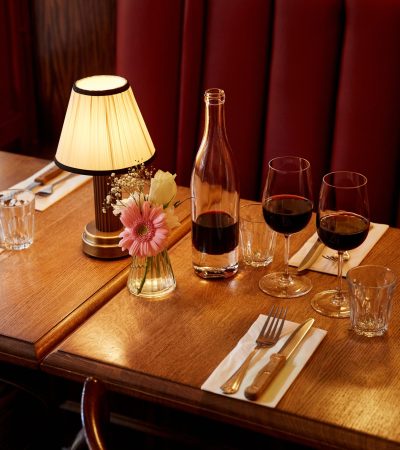
Why Did Bistros Become the Heart of Lunch Culture?
As lunch became a regular part of daily life, bistros naturally filled the gap.
They offered something that traditional restaurants did not:
• No need for formal dining rituals
• No requirement for long, expensive meals
• A welcoming space for everyday people
This made them ideal for the emerging lunch culture.
What Made Bistros Different?
Bistros stood apart because they combined practicality with atmosphere:
• Meals were quick to prepare, but not rushed
• Menus focused on familiar, satisfying dishes
• Guests were encouraged to stay, not just eat and leave
This balance is what allowed bistros to become more than just places to eat. They became social spaces.
What Defines a Traditional French Bistro Experience?
At its core, a traditional bistro reflects the values of French dining culture.
It is not about complexity. It is about consistency, simplicity, and care.
Key elements include:
• Seasonal, straightforward dishes
• A focus on quality ingredients
• Bread served as a staple
• A relaxed, conversational atmosphere
Typical examples of traditional French bistro food:
• Steak frites
• French onion soup
• Quiche
• Charcuterie boards
What makes these dishes significant is not their complexity, but their familiarity. They are designed to be enjoyed regularly, not reserved for special occasions.
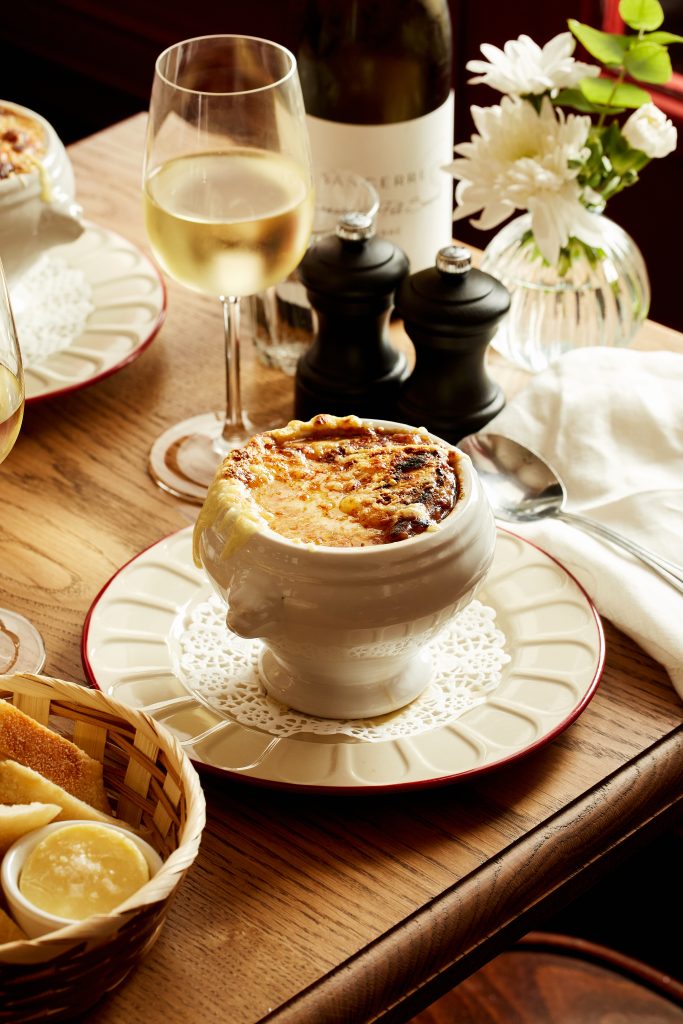
Why Is Bistro Culture Still Relevant Today?
Modern dining has, in many ways, come full circle.
After years of fast-paced, convenience-driven eating, there is a growing return to the principles that defined the bistro:
• Slower meals
• Social connection
•Simplicity over excess
Today’s diners are looking for:
• Spaces that feel welcoming rather than transactional
• Meals that are satisfying but not overwhelming
• Environments that encourage conversation
In many ways, the modern restaurant industry is rediscovering what bistros have always understood.
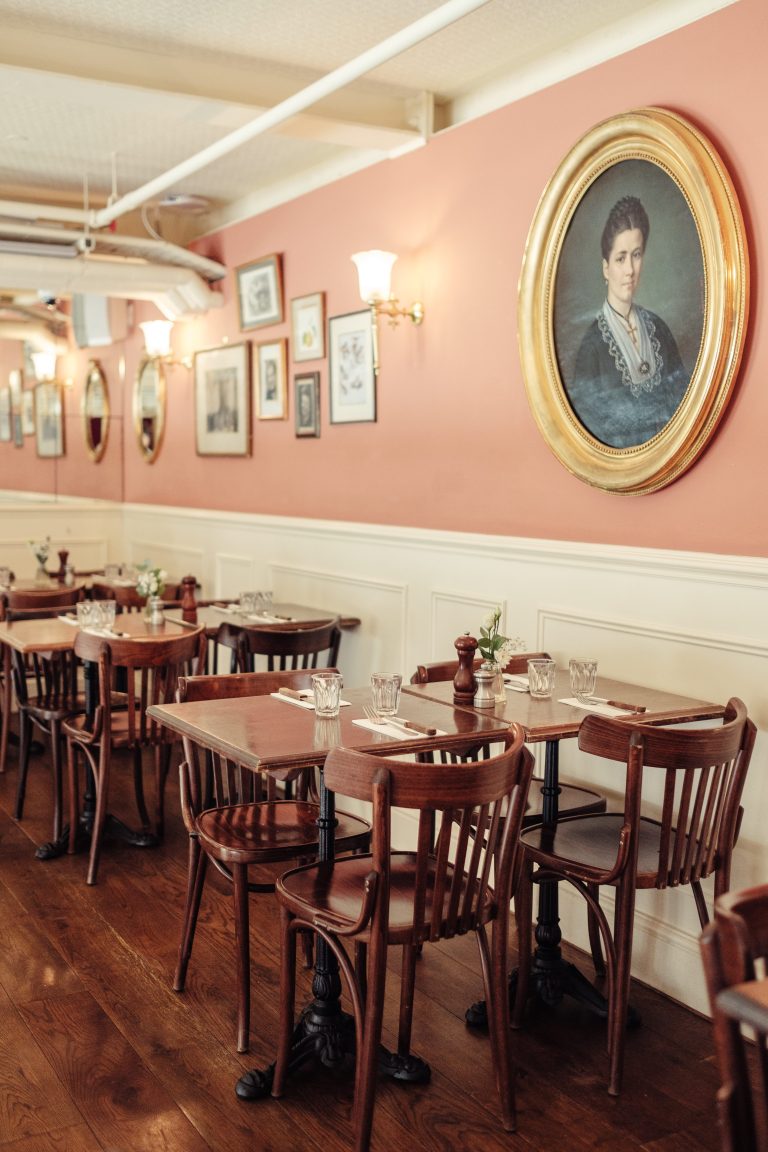
How Has Bistro Dining Influenced London’s Food Scene?
London has traditionally been known for faster, more functional dining habits. However, this is changing.
Across central areas such as Covent Garden and Victoria, there is a growing appreciation for:
- Café-style dining
- Relaxed lunch experiences
- European-inspired hospitality
The influence of the French bistro can be seen in how restaurants now approach:
- Menu design
- Service pace
- Atmosphere
Rather than focusing purely on efficiency, there is a shift towards creating spaces where people can pause and enjoy the moment.
For those interested in experiencing this approach, Chez Antoinette reflects many of these principles across both locations:
Experience French-Inspired Dining Today
Understanding the origins of lunch and the bistro helps explain why certain dining experiences feel more meaningful than others.
It is not about tradition for the sake of it. It is about recognising what has always worked.
If you are looking to experience this approach in London, Chez Antoinette brings together these elements in a way that feels both authentic and accessible.